Ant trails in your kitchen don't go away with surface spray — that just splits the colony. We trace trails back to the nest and use non-repellent baits to wipe out the source.
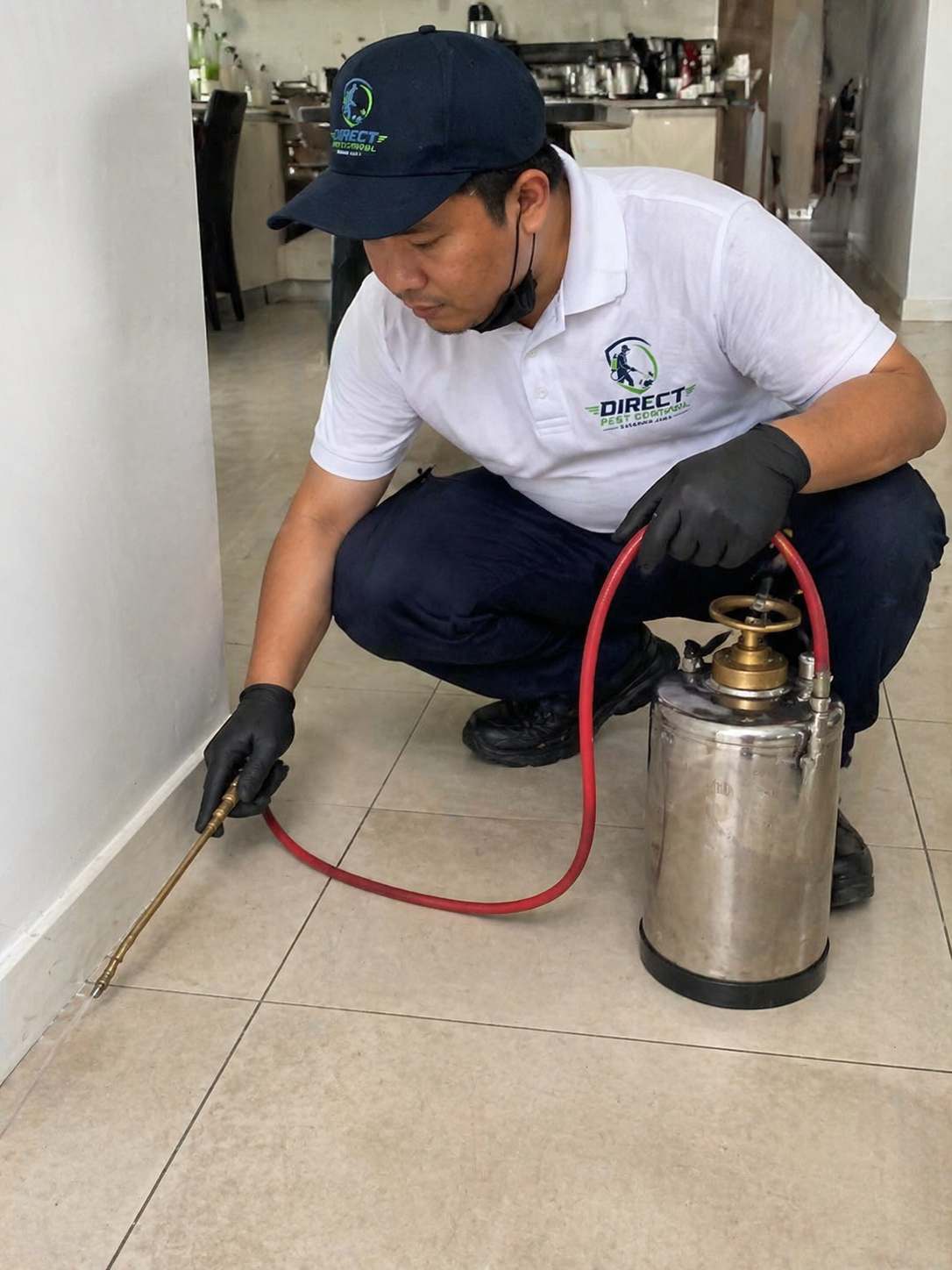
Most household ant species respond badly to repellent surface sprays — they fragment the colony and you end up with three trails instead of one. Effective ant control uses non-repellent bait that workers carry back to the queen.
We identify the species first (carpenter, sugar, pharaoh, ghost), trace the trail back to the harbourage, then place the right bait formulation in the right location.
Worker ants following a clear pheromone trail to a food source.
Often the result of someone spraying — colony has been fragmented.
Carpenter ants — they don't eat wood but tunnel through it.
Pharaoh ants — they're attracted to moisture and protein.
No surprises, no upsells. Diagnose, treat, follow up.
Identify species and trace at least one trail to its origin.
Choose the bait formulation matched to the species' food preference.
Place bait at strategic points along trails and near harbourage.
Workers feed for 7–10 days before colony collapse — patience pays.
Transparency first. Here's what changes the final number — no surprise top-ups after the fact.
Different ants need different baits and approaches.
Indoor cabinet vs outdoor wall vs slab void affects access.
Multiple trails = multiple bait stations.
Established colony vs early scouting affects time-to-results.
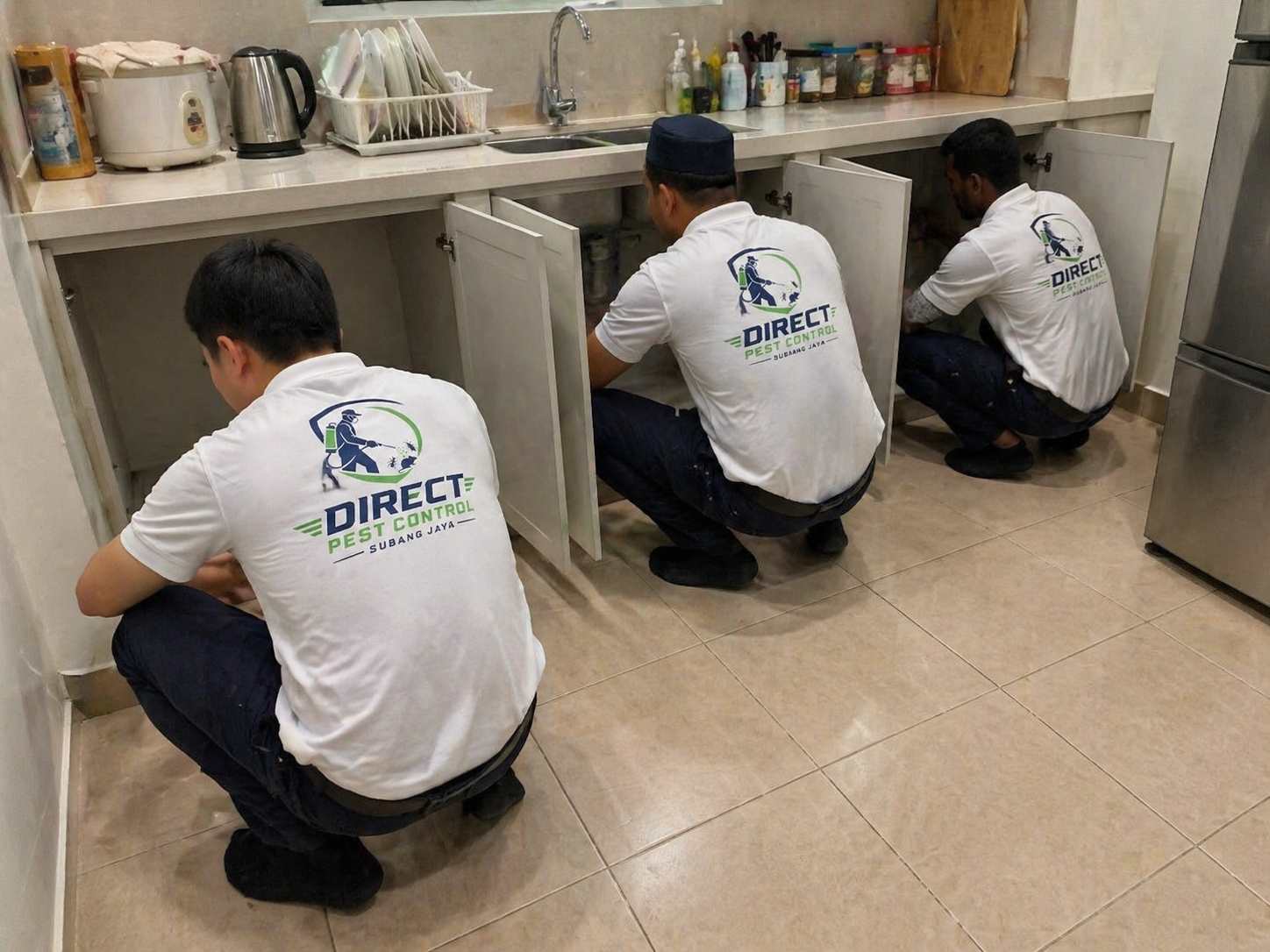
Trail along the kitchen splashback. Gel baiting placed.
Tiny ants in the dispensary. Specialised non-repellent bait used.
Black ants emerging from a loft beam. Drilled-injection treatment.
WhatsApp us — flat quote first, technician on-site within 2–3 working days.