Aedes mosquito breeding in your garden, drains or planters is a real dengue risk — not just an evening nuisance. We attack adults and larvae at the breeding source.
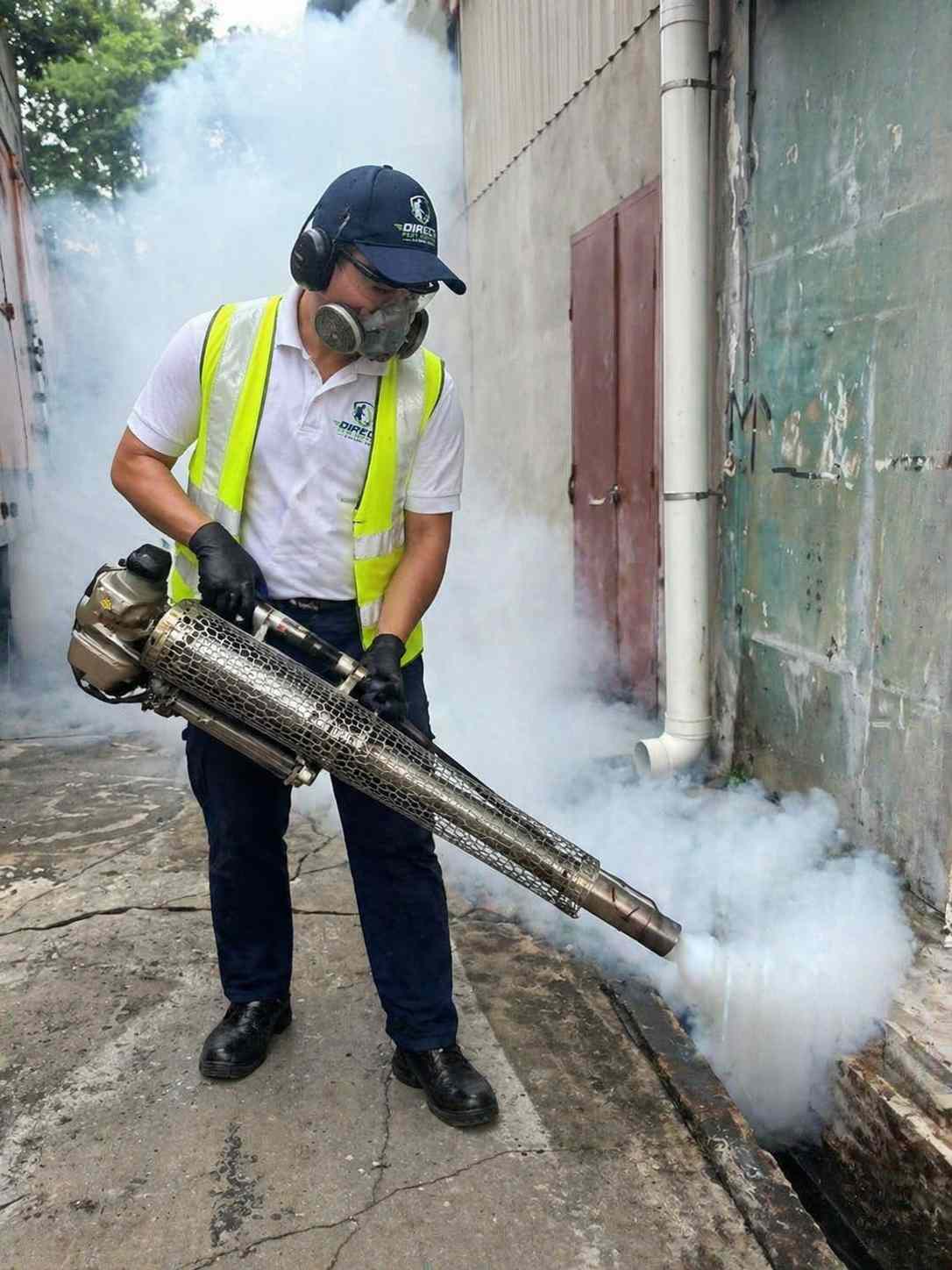
Aedes mosquitoes need only a teaspoon of standing water to breed. In a typical Subang Jaya garden, that means plant saucers, blocked roof gutters, water-feature reservoirs, dog bowls and the bottoms of empty pots. Fogging alone solves none of those.
Our mosquito control programme combines larvicide on standing-water sources, residual barrier spray on walls and shrubs, and a walk-around breeding-source survey so you know which spots to fix permanently.

Aedes feeds during the day — afternoon bites usually mean Aedes, not Anopheles.
Plant saucers, drain corners, gutter blockages, water features.
Aedes egg-to-adult cycle in tropical heat is under 10 days after rain.
Adult Aedes rest on the underside of leaves in shaded vegetation.
No surprises, no upsells. Diagnose, treat, follow up.
Walk the perimeter — identify breeding sources and adult resting spots.
Treat standing water that can't be eliminated immediately.
Residual treatment on walls, fences and the underside of dense foliage.
Written list of breeding sites for you to address permanently.
Transparency first. Here's what changes the final number — no surprise top-ups after the fact.
Garden footprint and number of standing-water sources.
Heavy foliage needs more barrier-spray volume.
Larvicide-only vs combined larvicide + barrier + fogging.
One-off vs scheduled monthly programme.
Family wanted Aedes pressure dropped fast before maternity stay.
Decorative pond was breeding adult mosquitoes.
Drain corners and planter trays full of larvae.
WhatsApp us — flat quote first, technician on-site within 2–3 working days.